
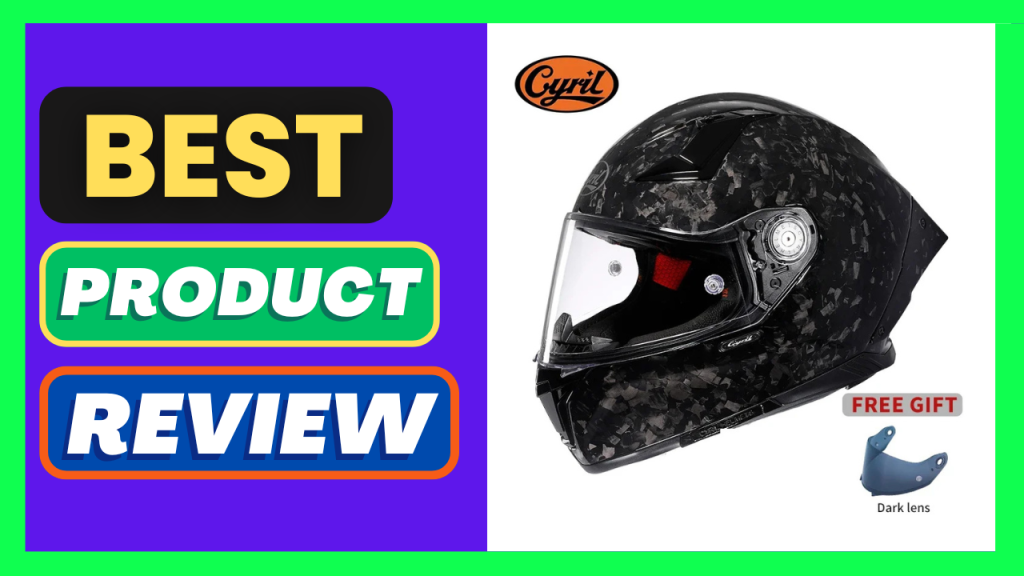
Here’s a general review-style guide for unisex lightweight carbon fiber + Kevlar full-face motorcycle helmets you might see on the market (since there isn’t a specific model linked). These helmets combine advanced shell materials with full-face coverage, and this summary draws on real helmet performance and safety info from expert gear guides and community feedback:
🏍️ What This Helmet Type Is
Lightweight carbon fiber + Kevlar full-face helmets are premium motorcycle helmets designed for street and sport riding. They use a hybrid shell (carbon fiber and Kevlar) that aims to balance high strength, lightweight feel, and impact resistance, with a full-face design that gives maximum protection to the head, chin, and face.
✅ Key Advantages
🧠 1. Lightweight for Reduced Fatigue
Hybrid carbon/Kevlar shells are typically significantly lighter than plain polycarbonate or fiberglass helmets — often saving a few hundred grams. A lighter helmet reduces neck strain and fatigue, especially on long rides or high-speed highway runs.
🛡️ 2. Good Impact Performance
Carbon fiber and Kevlar both have excellent stiffness and strength. When paired with a quality EPS liner and modern safety certification (DOT, ECE 22.06, etc.), this combo provides excellent protection in frontal and oblique impacts.
🧼 3. Premium Comfort and Features
Higher-end models often include:
- Removable, washable liners
- Effective ventilation channels
- Anti-fog / Pinlock-ready visors
- Aerodynamic shaping for reduced wind buffeting
These features make them comfortable for all-day rides.
🌍 4. Unisex Fit
Because they come in a wide range of sizes and often have adjustable cheek pads and liner systems, these helmets are genuinely unisex — suitable for most adult riders regardless of gender.
❗ Common Drawbacks
💸 1. Higher Price
Premium materials mean a higher price point than basic polycarbonate helmets. Even mid-tier carbon/Kevlar helmets can cost several hundred dollars or equivalents.
🎧 2. Noise at Speed
Lightweight shells tend to transmit more wind noise than heavier touring helmets, especially at highway speeds. Some riders feel that more premium liners or added noise-reduction features would help.
🔍 3. Fit Variation
Fit and comfort are very individual. Poor fit can reduce protection effectiveness and rider comfort — so always check sizing charts or try helmets on before buying. Tight or loose cheek pads compromise fit and safety.
🧼 4. Ventilation Quality Varies
Ventilation systems differ between manufacturers; some lightweight helmets sacrifice airflow for shell strength or low weight, leading to less cooling on hot days. Not all models manage airflow well.
🧰 What to Look For When Choosing One
✔ Certification – Look for up-to-date safety standards like ECE 22.06 or DOT.
✔ Weight – Aim for lighter than ~1.5 kg (3.3 lb) for street use if you want long-ride comfort.
✔ Ventilation & Comfort – Multiple vents and moisture-wicking liners help in hotter climates.
✔ Face Shield Quality – Anti-scratch, anti-fog, and Pinlock-ready systems improve visibility.
✔ Fit & Shape – Motorcycle helmet fit varies (intermediate, round, or long oval), so match your head shape.
📊 Who This Helmet Suits Best
🔹 Daily Street Riders – Great for commuters who want less neck fatigue.
🔹 Touring or Sport Riders – Excellent balance of protection and weight on longer rides.
🔹 Seasoned Riders Wanting Premium Gear – If you appreciate performance materials and top safety, this category is ideal.
🧠 Quick Summary
Unisex lightweight carbon fiber + Kevlar full-face helmets offer a premium upgrade over traditional helmets: they’re lighter, strong, and often more comfortable for longer rides. They typically provide high energy-dispersion capabilities and advanced protection when paired with quality liners and safety certifications. The main trade-offs are cost and potential for wind noise, so choosing a reputable brand and proper fit is essential.